
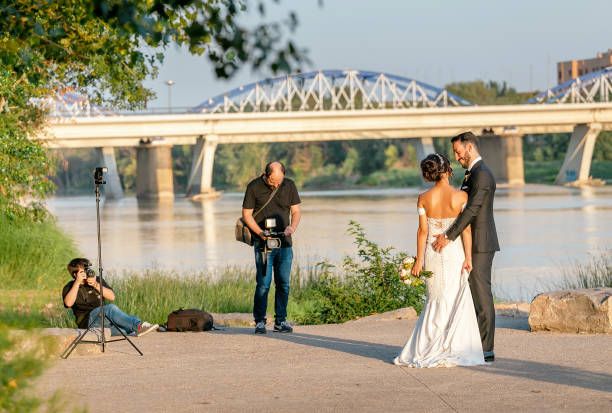
Booking a wedding videographer feels exciting right up until you realize you have no idea what you're actually paying for. What do they film? How long do they stay? When do you get the video? Most couples have never done this before, so the whole thing can feel a bit murky. Here's a plain walkthrough of what the process usually looks like, from your first phone call all the way to the moment you sit down and watch your finished film. If you're getting married in the Boston area, working with a Wedding Videographer in Boston, MA who knows the local venues and lighting conditions can honestly make a real difference in the final product.
The Initial Consultation: What to Ask Before You Sign
Most videographers offer a free consultation, either over video call or in person. Don't treat it like a sales pitch. Treat it like an interview. You want to know their shooting style, whether they lean cinematic and artistic or documentary and observational, because that choice affects every single frame of your video.
Ask to see full wedding films, not just highlight reels. Highlight reels are cut to look good. Full films show you how they handle slower, quieter moments. Also ask about their backup plan if something goes wrong. Equipment fails. People get sick. A good videographer has a clear answer ready.
A few other things worth asking before you sign anything:
- Do you work alone or bring a second shooter?
- Will you be the person filming my wedding, or might it be someone else from your team?
- What's your policy if you get sick or have an emergency on the day?
- How do you handle audio at outdoor ceremonies or loud receptions?
- What does the contract say about ownership of the footage?
Read the contract carefully. Seriously. Understand what deliverables are included, what happens to the raw footage, and what the payment schedule looks like. If something's vague, ask them to clarify it in writing before you sign.
How the Wedding Day Actually Works
Most packages cover somewhere between 8 and 10 hours. That usually means showing up during bridal prep and wrapping up after the first dance or cake cutting, depending on what you've booked. Some couples add on coverage through the end of the reception. Worth asking about if you've got a big send-off planned.
Your videographer will coordinate closely with your photographer. They're both trying to capture the same moments without getting in each other's way, and experienced vendors do this pretty naturally. If you can, introduce them before the wedding day so they can talk through the timeline together. Small thing that helps a lot.
Expect them to be fairly unobtrusive during the ceremony. Most videographers use small cameras, long lenses, and wireless microphones clipped to the officiant or groom so they can capture clean audio without being in everyone's face. During portraits and reception, they'll move around more freely. You'll barely notice them most of the time, and that's exactly how it should be.
Raw Footage vs. Edited Deliverables: What You're Actually Getting
This trips up a lot of couples. Raw footage is everything the camera recorded, unedited, uncut, often hours and hours of material. Most videographers don't include raw footage in their packages, and honestly, you probably don't want it. It's not watchable in any meaningful way without editing. What you're paying for is the edit.
Standard deliverables usually include a highlight film, typically 4 to 8 minutes long, set to music and edited to feel like a short cinematic piece. Many packages also include a longer ceremony edit, sometimes 20 to 40 minutes, that captures the full vows, readings, and rings. Some add a full reception cut as well. Check what's in your package before you assume.
According to information from the wedding videography overview on Wikipedia, the style and format of wedding films has shifted a lot over the decades, moving away from long, unedited recordings toward shorter, story-driven films. That shift is why highlight films have become the standard deliverable most couples actually rewatch.
Post-Production Timelines: Why It Takes So Long
Six to twelve weeks is the typical range. Some videographers take longer, especially during peak wedding season when they're editing multiple weddings back to back. It's not unusual to wait three or four months if you got married in October. That's not a bad sign. It just reflects how much work goes into editing.
Think about what editing actually involves. A videographer might shoot 6 to 10 hours of footage and cut it down to an 8-minute film. That means watching everything, pulling the best moments, syncing audio from multiple sources, color grading every clip, and then building the whole thing around a music track that fits the mood. Granite Stag Photo and Video is one team in the Boston area that's known for being upfront about turnaround times during the booking process, which saves couples from spending three months wondering what's happening.
If your timeline matters to you, ask about it before you book. Some videographers offer rush edits for an extra fee. Most don't. Set realistic expectations early and you won't spend your first months of marriage refreshing your email every day.
How You'll Receive Your Final Video
Almost no one ships DVDs anymore. Most videographers deliver digitally, usually through a private link on a platform like Vimeo or Google Drive. You'll get a link, sometimes a password, and the ability to download the file directly to your computer or phone.
Download it immediately. Don't just save the link. Links expire. Platforms change. You don't want to find out in five years that your video is gone because a hosting service shut down. Back it up in at least two places: an external hard drive and a cloud storage service like Google Photos or iCloud.
Sharing is easy once you have the file. Most couples share through Vimeo or YouTube using unlisted settings so only people with the link can watch. If you want to find the best Wedding Videographer in Boston, MA for your day, ask specifically what format the final file comes in and whether it's high-resolution enough for a large TV screen. That's a detail people forget to ask about.
And when you sit down to watch your film for the first time, do it properly. Full screen. Good speakers. No distractions. You went through a lot to get there.
Frequently Asked Questions
How far in advance should we book a wedding videographer?
Most couples book 12 to 18 months out, especially for popular wedding dates in spring and fall. Good videographers book up fast. If your date is under six months away, don't panic, but start reaching out right away and be ready to decide quickly.
Do we need to feed our videographer at the reception?
Yes, and most contracts actually require it. Your videographer is working a 10-hour day. A vendor meal keeps them sharp through the reception. It's standard practice and honestly just the decent thing to do.
What if we don't like the music they chose for the highlight film?
Talk about music preferences before editing starts. Some videographers offer a revision round where you can request changes, but many have licensing restrictions that limit which songs they can legally use. Ask about this during your consultation so you're not surprised later.
Can we get a Wedding Videographer in Boston, MA who also does photography?
Some studios offer combined photo and video packages, which can simplify coordination and sometimes save money. Just make sure you've reviewed both their photo work and their video work separately, because quality varies a lot across both disciplines even within the same company.
What happens to our footage after we receive the final video?
Policies vary. Some videographers keep raw footage for a year or two, others delete it after delivery. Ask upfront. If keeping the raw footage matters to you, some will provide it on a hard drive for an additional fee. Get whatever they tell you in writing.