
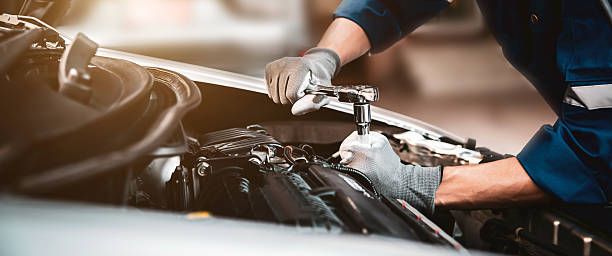
Something feels off with your car. Maybe it's a sound you've never heard before, or a light on the dashboard you've been quietly hoping will just go away on its own. Sound familiar? Most people put off dealing with car problems because they're not sure if it's serious or just one of those quirks older vehicles develop. But ignoring the wrong symptom can take a small, cheap fix and turn it into something that wipes out your savings account. If you're looking for Auto Repair in Iowa City IA, this guide will help you figure out what's urgent, what can wait a week, and what you absolutely should not drive on.
Dashboard Warning Lights: Not All of Them Are Created Equal
Some lights are "get there today" situations. Others are "schedule something soon." The check engine light is a good example of why context matters. If it's solid and your car is running normally, you've probably got a sensor issue or a loose gas cap. But if it's flashing? Stop driving and call a shop. A flashing check engine light almost always means misfires that are actively damaging your catalytic converter, and those parts are expensive to replace.
The oil pressure light and the temperature warning light are both pull-over-right-now situations. No exceptions. Running an engine with low oil pressure for even five minutes can cause damage that turns a $40 oil change into a $4,000 engine rebuild. The battery light, the brake warning light, and the TPMS light all deserve attention within a day or two, not next month.
One thing people get wrong is assuming the light will just reset itself. Sometimes it does. But the problem that triggered it doesn't disappear with the light. Get it scanned. Most auto parts stores do it for free, and it takes about three minutes.
Noises That Tell You Something Is Wrong
Cars make noise. But there's a difference between a rattle over a pothole and a grinding sound every time you hit the brakes. Brake grinding means your pads are gone and the metal caliper is now chewing into your rotor. That's a same-day problem. Keep driving on it and you'll need rotors too, which doubles the repair bill.
A knocking sound from the engine, especially one that gets louder as you rev it, usually points to rod bearing wear. Not cheap. Not something you can delay. A knocking engine that gets ignored tends to throw a rod within a few hundred miles, and at that point the engine is scrap. Squealing belts are a bit more forgiving but still worth fixing quickly, since a snapped serpentine belt can kill your power steering, charging system, and cooling fan all at once.
Clunking over bumps often points to worn struts or tie rod ends. Worth checking, especially if your car is also pulling to one side. Those two problems often show up together.
Fluid Leaks Under Your Car: What Color Means What
Spot a puddle under your car? Don't just wipe it up and forget about it. The color tells you a lot. Transmission fluid is usually reddish or pink. Coolant tends to be bright green, orange, or pink and has a slightly sweet smell. Oil is brown to black and slippery. Brake fluid is light yellow and feels oily between your fingers.
Location matters too. A leak near the front of the car is more likely to be engine oil or coolant. A leak near the middle or rear is more often transmission fluid or a brake line issue. Brake fluid leaks are the most serious of the bunch. If you're losing brake fluid, your braking ability is going to fail at some point, and that point might not be convenient.
Water dripping from under the car after running the AC is totally normal. That's just condensation. Everything else deserves a closer look.
Performance Changes You Shouldn't Brush Off
Hard starts, where the engine cranks for a long time before firing, usually point to a weak battery, a failing starter, or a fuel delivery problem. Any of those can strand you. Rough idling, where the car shakes or stumbles while sitting at a red light, often means a bad spark plug, a vacuum leak, or a dirty fuel injector. Not always a crisis, but it won't fix itself.
If your car is pulling to one side while you're driving straight, get an alignment check and have the front-end components looked at. Pulling can also mean uneven brake wear or a tire issue, but you want to rule out the steering and suspension parts first. And a sudden drop in fuel efficiency, like you're filling up noticeably more often without driving more miles, is your car telling you something's off with the engine, the oxygen sensors, or the fuel system.
These kinds of performance changes tend to sneak up on you. You adjust to them slowly without realizing it. Then one day the car just doesn't start, and you're stuck.
Why Waiting a Few Weeks Can Cost You a Lot More
Here's the thing about car repairs: most problems don't stay the same size. They grow. A small coolant leak turns into an overheated engine. A worn CV axle boot tears open and the grease escapes, turning a $150 boot replacement into a $400 axle replacement. Brake pads that are worn down to the metal will eventually score the rotors, doubling the cost of the brake job. It's almost always cheaper to fix something when you first notice it.
If you're in the area and need someone to look things over, Harris Boyz Auto Repair Shop handles all kinds of diagnostics and repairs and can tell you pretty quickly what's urgent and what can wait. That kind of honest assessment is worth a lot when you're trying to figure out how much trouble you're actually in.
The Auto Repair in Iowa City IA market has plenty of options, but getting a straight answer early saves you from making decisions under pressure when something finally breaks completely. Don't wait for the car to make the decision for you.
Finding a reliable Auto Repair Shop in Iowa City IA before something goes seriously wrong is honestly the smartest move you can make as a car owner. Ask around, read reviews, and build a relationship with a shop you trust before you desperately need one at 7 AM on a Monday.
A good Auto Repair Shop in Iowa City IA will be upfront about what's genuinely urgent and what you have a little time on. If a shop wants to fix everything at once with no explanation, that's worth a second opinion.
Frequently Asked Questions
How do I know if a warning light means I should stop driving immediately?
Oil pressure and engine temperature lights mean pull over now, don't wait. A flashing check engine light also falls into that category. Most other lights, like the battery or TPMS, give you a short window to get to a shop safely, but don't ignore them for days.
Is it safe to drive with a small fluid leak?
Depends on the fluid. A small oil leak that you're monitoring and topping off regularly is lower risk than a brake fluid leak, which can get dangerous fast. Any leak involving the brakes or coolant should get looked at the same day if possible.
My car is making a grinding noise but the brakes feel fine. Should I still worry?
Yes. Grinding from the brakes doesn't always feel dramatic at first. By the time stopping distance gets noticeably longer, the damage is already done. Get the brakes inspected even if they feel okay, because worn pads can still stop the car right up until they suddenly can't.
How often should I have my car inspected even if nothing seems wrong?
Most mechanics suggest a general inspection once a year or every 12,000 miles, whichever comes first. Catching a worn belt or a leaking seal during a routine check is a lot cheaper than dealing with the failure those things cause when they finally give out.
What's the first thing I should do if my car starts pulling to one side?
Check your tire pressure first. It's free and takes two minutes. If the tires are fine, get an alignment check and have a shop look at the front-end components, especially tie rod ends and ball joints. Don't assume it'll straighten out on its own.