
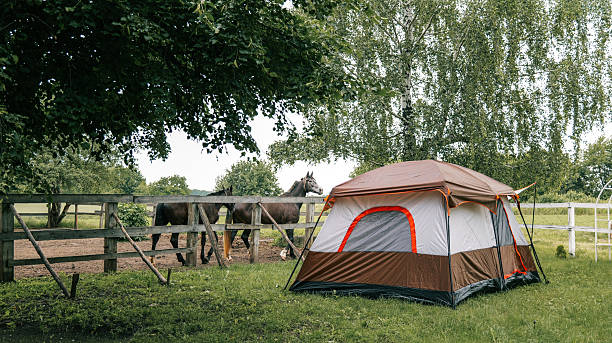
Every summer, parents around Solano County start the same scramble. Their kid has been asking about horses for months, maybe years, and suddenly it's June and they're trying to figure out what's actually available nearby. Horse camps fill up fast. Good ones fill up faster. If you're trying to find the right fit for your child this season, it helps to know what you're looking for before you start making calls. This guide covers what summer horse camps in Fairfield, CA typically offer, what questions to ask, and how to tell a solid program from one that just looks good on Instagram.
What Actually Happens at a Horse Camp
A lot of kids picture horse camp as basically riding all day. That's not quite how it works. Most programs split time between hands-on riding instruction and ground work, which means grooming, tacking up, learning how to read a horse's body language, and basic barn chores. Honestly, the ground work is where a lot of the real learning happens. Kids who skip that part and just want to ride tend to plateau pretty quickly.
Day camps usually run four to five hours. Overnight or week-long residential programs pack in more, including trail rides, horse care rotations, and sometimes mounted games or low-key competitions at the end of the week. Both formats work. It really depends on your kid's age, experience level, and how far from home they're comfortable being.
Most reputable programs group kids by skill level, not just age. That matters a lot. A ten-year-old who's been riding for three years shouldn't be in the same group as a ten-year-old who's never touched a horse. Ask about this before you register.
What to Look for in a Program Near Fairfield
Horse Camps in Fairfield, CA range from small family-run operations with a handful of lesson horses to larger facilities with indoor arenas and full summer schedules. Neither is automatically better. Small programs can offer more individual attention. Bigger ones might have more structured curricula and certified instructors on staff.
Here are a few things worth checking before you commit:
- Instructor credentials. Look for certifications from organizations like the Certified Horsemanship Association, which sets safety and teaching standards for equine programs across the country.
- Horse-to-student ratio. Anything above one horse per two kids starts to get crowded fast during riding time.
- Safety gear policy. Helmets should be required, full stop. ASTM/SEI certified ones, not just any helmet from the garage.
- What happens when a horse is having a bad day. Good programs have protocols. They don't just push through.
- Refund and cancellation policies, especially if your kid gets sick mid-week.
Don't be shy about asking to visit before signing up. A facility that won't let you walk the property before you hand over a deposit is a red flag. You want to see the horses' condition, the fencing, the footing in the arena. Trust your gut on this one.
Age and Experience Ranges
Most horse camps around Fairfield accept kids starting around age six or seven, though some programs start at eight. Upper age limits vary too. Some camps run through age sixteen or eighteen, while others focus on a narrower window like eight to fourteen. A few offer teen programs that go deeper into horsemanship theory, barn management, and even basic first aid for horses.
If your child has zero riding experience, that's totally fine. Most programs are set up for complete beginners. Just be upfront when you register so they can place your kid in the right group. Showing up and pretending your child has experience they don't have usually backfires within the first hour.
Costs and What's Usually Included
Prices vary. A lot. Day camps in the Fairfield area tend to run somewhere between $300 and $600 for a week, depending on the program length and what's included. Residential camps cost more, sometimes significantly. Budget for extras too: some programs charge separately for riding helmets, boots, or a closing-day event.
Ask for an itemized breakdown upfront. Good programs are transparent about this. If a camp's website lists a price but the registration form suddenly has add-on fees you didn't expect, that's worth a conversation before you finalize anything.
Pine Trails Ranch (PTR) is one of the well-known options families in the area look into, particularly for structured programs that work with different skill levels and age groups. Worth checking their schedule early since spots tend to go quickly in spring.
Some facilities offer sibling discounts or early-registration pricing. A handful have scholarship or financial assistance options, though you usually have to ask directly since it's not always advertised. Horse Camps in Fairfield, CA can be a real investment, so it's worth doing that research before assuming it's out of reach.
How to Prepare Your Kid (and Yourself)
First week of camp jitters are normal. So are sore muscles. Riding uses muscles most kids haven't worked before, and the first day or two can leave them pretty tired. That's not a sign something's wrong.
Dress them in long pants and closed-toe shoes with a small heel. No sandals, no flip flops, no exceptions. Sunscreen is obvious but easy to forget. Pack a water bottle they'll actually drink from, because summer in Fairfield gets hot and barn work in the heat is no joke.
Talk to your kid beforehand about what to do if a horse does something unexpected. Freeze, don't run. Stay calm. Most programs cover this on day one, but kids who've heard it at home tend to remember it better when it matters. And remind them that horses are big animals with their own opinions. Respecting that is the whole foundation of good horsemanship.
Frequently Asked Questions
Do kids need riding experience to join a summer horse camp?
No. Most programs around Fairfield are set up to handle total beginners. Just be honest on the registration form about your child's experience level so they get placed in the right group from day one.
What should my child wear to horse camp?
Long pants and closed-toe shoes with a small heel are standard. Jeans work fine. Riding boots are nice but not required for most beginner camps. A properly fitted ASTM/SEI certified riding helmet is required at every reputable program, and many provide loaners if you don't own one.
How early should I register for summer horse camps in Fairfield, CA?
As early as possible, honestly. Popular programs start filling up in January and February for summer sessions. If you're reading this in April or May, don't wait another week. Call or check online today.
Are horse camps safe for young kids?
Yes, when run by qualified instructors with proper safety protocols in place. Ask about instructor certifications, helmet policies, horse-to-student ratios, and what the emergency procedures are. A good camp will answer all of these without hesitation.
What's the difference between a day camp and a residential horse camp?
Day camps run for a set number of hours each day, and your child comes home at night. Residential camps are overnight programs where kids stay on-site for the week. Residential programs tend to go deeper into horsemanship, but day camps are a great starting point, especially for younger or less experienced kids.
Finding the right fit takes a little legwork, but it's worth it. A good summer horse camp can genuinely change how a kid sees animals, responsibility, and themselves. That's not a small thing.