
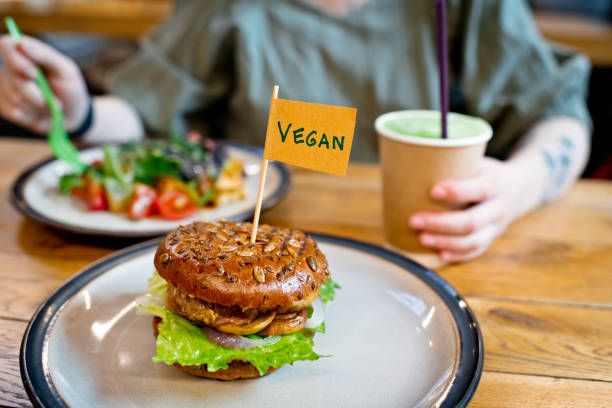
A lot of people talk themselves out of trying plant-based food before they even sit down at a table. They've heard the claims: it's tasteless, it won't fill you up, it's only for hardcore vegans, and it's probably dirt cheap because it's just vegetables. Most of that is just wrong. If you've been on the fence about visiting a Vegan restaurant in Edmonton or trying a plant-forward dish at your usual spot, this article is worth reading first. We're going to go through the myths one by one, explain where they come from, and tell you what's actually going on in a good plant-based kitchen.
Myth #1: Plant-Based Food Is Bland and Boring
This one might be the most stubborn. It probably started with bad cafeteria salads and overboiled broccoli. But it has nothing to do with how skilled chefs actually cook vegetables and legumes today.
The reality is that plant-based cooking relies heavily on umami, which is that deep, savory flavor most people associate with meat. Ingredients like fermented miso, soy sauce, roasted mushrooms, sun-dried tomatoes, and nutritional yeast all carry serious umami punch. A well-seasoned lentil dish or a plate of charred cauliflower with tahini and herbs can be just as satisfying as anything on a traditional menu, sometimes more so because the flavors aren't masked by heavy fat.
Texture matters too. Good plant-based cooking plays with crunch, chew, creaminess, and heat in ways that keep every bite interesting. It's not just steamed greens on a plate. Not even close.
Myth #2: You Can't Get Enough Protein from Plants
People repeat this one constantly. It's understandable, honestly, because protein has been so tied to meat in most diet conversations for decades. But it doesn't hold up.
Plenty of whole plant foods carry strong amounts of protein. Here's a quick look at what shows up regularly in plant-based kitchens:
- Tempeh has around 19 grams of protein per 100 grams, more than most cuts of chicken by weight.
- Seitan, made from wheat gluten, can hit 25 grams per 100 grams. It's also chewy in a way that eats like meat.
- Lentils and chickpeas bring about 18 grams of protein per cooked cup, plus loads of fiber.
- Hemp seeds and pumpkin seeds add protein on top of healthy fats, easy to toss into a grain bowl or salad.
- Edamame is one of the few complete plant proteins, meaning it covers all nine essential amino acids.
Combine a few of these across a meal and you're not missing anything. According to Harvard's Nutrition Source on protein, most adults get more than enough protein daily, and plant sources can absolutely meet that need when meals are put together thoughtfully.
Myth #3: Plant-Based Eating Is Only for Strict Vegans
This one keeps a lot of curious people on the sidelines. They figure the food is for a specific type of person with a specific set of beliefs, and if they don't share those beliefs, they don't belong at that table. That's not how it works.
Flexitarians, which is a real and growing category of eaters, regularly choose plant-based meals without any intention of giving up meat entirely. They just like the food. Plenty of people who eat steak for dinner on Friday are ordering a jackfruit taco or a tofu grain bowl for lunch on Tuesday, and they're not confused about their identity. They just want a good meal.
A quality restaurant in Edmonton, AB that focuses on plant-based cooking isn't trying to convert anyone. It's just making good food. The dining room fills up with all kinds of people, and that's the point.
Myth #4: Plant-Based Dishes Are Always the Cheapest Option
This one actually goes in two directions. Some people assume plant-based food is cheap because it skips meat. Others think it's overpriced because they've seen a $22 veggie burger and felt confused. Both reactions miss what's actually driving the cost.
Quality plant-based cooking takes real skill and quality ingredients. Organic produce, house-made ferments, specialty proteins like tempeh or seitan, and careful sourcing all cost money. A chef who knows how to build layers of flavor in a dish without animal products is doing something genuinely difficult. That work has value.
Cravings And Delight is a good example of a spot where the pricing reflects the craft and sourcing behind the food, not just the absence of meat. When you're eating a dish that took real technique to put together, you're not paying for a cheaper version of something else. You're paying for something made with intention.
On the flip side, a simple meal of beans, rice, and roasted vegetables at home is genuinely one of the most affordable things you can cook. Plant-based eating covers a wide price range depending on where and how you're doing it.
Myth #5: You'll Be Hungry Again an Hour Later
This is probably the myth that does the most damage. People try one plant-based meal, feel like something was missing, and write off the whole category. But usually the issue isn't that the food was plant-based. It's that the meal wasn't built well.
A plate of just salad greens and light dressing? Sure, you might be hungry fast. But a well-constructed plant-based meal looks very different. Think black bean and sweet potato stew with a side of whole grain bread. Or a bowl of farro, roasted vegetables, and a generous scoop of hummus with olive oil. These meals are loaded with fiber, complex carbohydrates, and healthy fats, all of which slow digestion and keep you full for hours.
Fiber especially does a lot of work here. Most people in North America eat far less fiber than they should, and plant-based meals tend to fix that fast. A good Vegan restaurant in Edmonton is going to put together plates that actually satisfy, not token dishes that leave you stopping for a snack on the way home.
The second time you visit a restaurant in Edmonton, AB with a real plant-based menu, pay attention to how you feel two or three hours after eating. Most people are surprised.
Frequently Asked Questions
Is plant-based food actually filling for people who are used to eating meat?
Yes, when the meal is built right. The key is making sure there's enough protein, fiber, and fat on the plate. A meal heavy in legumes, whole grains, and healthy fats like avocado or tahini will keep most people full just as long as a meat-based meal would.
Do I have to be vegan to enjoy plant-based restaurants?
Not at all. Most plant-based restaurants welcome everyone. A lot of their regulars eat meat at home and just enjoy the food for what it is. There's no membership card required.
How do plant-based chefs get so much flavor without meat?
Mostly through umami-rich ingredients, layered seasoning, fermentation, and careful cooking techniques like roasting, charring, and slow braising. Spices, acids like citrus and vinegar, and textural contrast all play a big role too.
Is plant-based eating expensive?
It depends on where you're eating and what you're making. At a quality restaurant, the price reflects the skill and sourcing behind the dish. At home, a pot of lentil soup or a chickpea stir-fry is one of the cheapest meals you can put together. Both can be excellent.
What's a good first dish to try if I've never eaten at a plant-based restaurant?
Start with something familiar in structure but made with plant-based ingredients, like a grain bowl, a hearty soup, or a loaded taco. These formats are easy to understand and tend to showcase what plant-based cooking does well without feeling like a big leap.
The myths around plant-based food have been around long enough that a lot of people treat them as settled fact. But they're not. The food has changed, the kitchens have gotten more skilled, and the ingredients are better than ever. All it takes is one genuinely good meal to rethink what you thought you knew.