
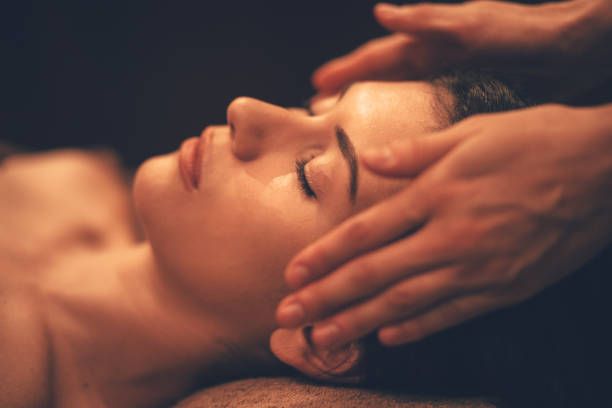
A lot of people want to try a scalp treatment but stall out right at the booking stage. Not because they're not interested. Because they don't know what they're walking into. Will someone be scrubbing your head? Do you sit up or lie back? Is it awkward? Those questions feel small, but they're enough to make someone close the tab and forget about it. This article walks through a full Japanese-style scalp session from the moment you sit down to the moment you walk out, so you know exactly what to expect before you commit to anything.
If you're looking for a Head Spa in Solana Beach CA, understanding the process ahead of time makes the whole experience less guesswork and a lot more enjoyable.
The Consultation Before Anything Touches Your Head
It starts with a conversation. The therapist will ask about your hair type, any scalp issues you've been dealing with, and whether you've had any reactions to products before. Pretty standard stuff. But what's a bit different in a Japanese-style session is that they often use a scalp camera or magnification tool to actually look at your scalp up close before deciding which approach to take.
This matters. Oily roots, dry patches, buildup around the hairline, sensitivity near the crown, all of that changes what products and techniques get used. You're not just booking a generic treatment. The therapist is building a session around what your scalp actually needs that day.
Don't stress about this part. It takes maybe five to ten minutes, and you'll probably leave knowing more about your scalp than you did before.
The Cleansing Phase: Getting the Scalp Ready
Once the consultation wraps up, the actual hands-on work begins with a thorough cleanse. This isn't just a regular shampoo. The therapist uses a clarifying or pre-treatment formula, sometimes in combination with a gentle silicone brush or fingertip scrubber, to lift product buildup, sebum, and any dead skin sitting on the scalp surface.
Some studios do a double cleanse here, which is borrowed straight from Japanese skincare philosophy applied to the scalp. First pass loosens the surface gunk. Second pass goes a bit deeper. You'll feel the water temperature shift slightly and the pressure change between the two rounds if they do it this way.
The water temperature during rinsing is usually warm, not hot. That's intentional. Hot water can irritate a sensitive scalp and strip the oils you actually want to keep.
The Massage: Pressure Points and Why the Order Matters
This is the part most people come for. And honestly, it earns the reputation. The massage in a Japanese head spa session is structured, not random. Therapists work through specific pressure points, usually starting at the base of the skull and moving forward toward the forehead, then working down toward the neck and shoulders before cycling back.
Why that order? Blood and lymphatic flow. Starting at the base of the skull helps release tension where it tends to pool first, especially if you sit at a desk all day. Moving forward follows the natural direction of circulation. You can read more about how scalp massage affects scalp physiology and blood supply if you want the anatomy behind it.
Pressure varies. Some points get held for a few seconds. Others get small circular movements. The temples, the occipital ridge at the back of your skull, the area just above your ears, those tend to get extra attention. Most people feel a kind of pleasant ache in the spots that were tight. Not painful. More like relief you didn't know you needed.
Steam, Hot Towels, and Tool-Based Steps
After the massage, many Japanese-style sessions bring in a steam component. Either a handheld steamer held over the scalp, or a towel that's been heated and wrapped around the head for a few minutes. The point is to open up the follicles so whatever treatment serum gets applied next can actually sink in.
At Badri Kermani Hair Salon, this kind of layered approach is part of what sets a proper head spa session apart from a basic shampoo and condition. The steaming step isn't decorative. It does real work on follicle absorption.
Some sessions also use a scalp treatment device, often something that delivers low-level vibration or gentle suction to stimulate circulation further. Not every studio does this, but it's becoming more common. If you're curious whether a specific location uses tools like this, just ask when you book.
Conditioning, Drying, and the Finishing Steps
Once the treatment serum has had time to absorb, the therapist rinses again, then applies a conditioning treatment to the lengths of your hair. At this stage, the scalp work is done. The focus shifts to the hair itself, usually a mask or leave-in product based on your hair type from the earlier consultation.
Drying is done carefully. Most Japanese Head Spa in Solana Beach CA sessions finish with a low-heat blow-dry or sometimes air drying if the client prefers. The therapist might do a final light massage through the scalp while drying. Feels good. Also helps the product distribute evenly.
Before you leave, you'll usually get a short rundown on aftercare. Things like how long to wait before washing again, which ingredients to avoid if your scalp is on the sensitive side, and whether a follow-up session would be useful based on what they saw during the consultation. It's practical, not a sales pitch.
How Long It Takes and What You'll Feel Afterward
A full session typically runs 60 to 90 minutes. Some places offer shorter express versions around 45 minutes, but you'll skip some of the deeper steps. Worth knowing before you book if you're short on time.
As for how you'll feel after? Most people describe it as a kind of full-body calm that's hard to pin down. The scalp feels lighter. Literally. There's less tightness. Hair usually looks shinier and sits better, partly from the conditioning, partly because the scalp underneath is actually breathing. Some people notice reduced itching or flaking within a day or two if those were ongoing issues.
A Head Spa in Solana Beach CA isn't a one-and-done fix for serious scalp conditions, but a single session gives most people a clear sense of whether regular treatments would help them. A lot of first-timers rebook before they even get to their car.
Frequently Asked Questions
Do I need to wash my hair before the appointment?
No. Most therapists actually prefer you come in with your hair as it normally is, so they can see your scalp's baseline condition before any cleansing. Showing up with day-old hair is completely fine.
Is the Japanese Head Spa in Solana Beach CA experience painful?
Not painful, no. There are moments of firm pressure, especially around the occipital ridge and temples, but most clients describe it as the good kind of sore. If anything ever feels too intense, just say so and the therapist will adjust.
Can I get a scalp treatment if I've had color done recently?
Usually yes, but it depends on when you colored and what products were used. Tell the therapist during the consultation. They'll steer toward products that won't interfere with your color or cause fading.
How often should I book a session?
For general scalp health and relaxation, once a month is a common recommendation. If you're dealing with buildup, excess oil, or sensitivity, some therapists suggest starting with two sessions a few weeks apart and then spacing out from there.
Will my hair look good enough to go somewhere after?
Honestly, most people are happy with how their hair looks post-session. You're getting conditioned, dried, and styled at the end. It's not a before-work shortcut, but you're not walking out with wet hair and a towel turban either.
If you've been on the fence about trying this kind of treatment, hopefully this gives you enough of a picture to feel comfortable making the call. The process is straightforward, the therapists are trained to make you comfortable, and most people wonder why they waited so long to try it.