
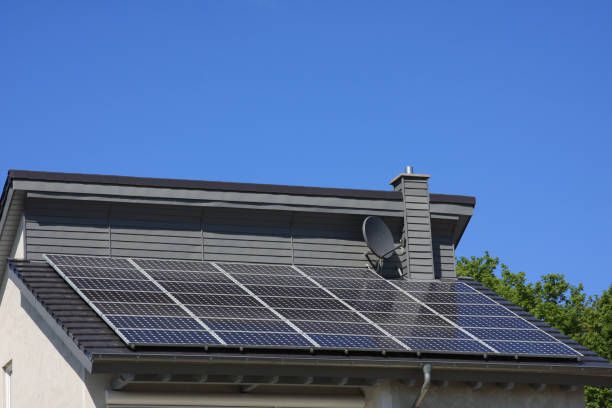
In January 2026, California’s average residential electricity price was 30.29 cents per kilowatt-hour. That is far above the U.S. average. So, many homeowners now look for faster ways to lower their monthly bills. One smart step is solar system installation in Woodland Hills CA, especially for homes with strong sun exposure and high daytime use. A home solar setup can shrink grid use, steady energy costs, and add long-term value. Also, federal tax rules have helped many households lower upfront costs, though timing matters. The IRS says the Residential Clean Energy Credit is 30% for qualified systems placed in service through December 31, 2025. Because power prices stay high, solar remains a serious cost-cutting option for many families.
Why Utility Bills Rise So Quickly In Solar System Installation in Woodland Hills CA
Power bills rise for simple reasons. First, rates change over time. Next, air conditioning can push summer use much higher. In warm places, one hot month can hit hard. Then, extra devices keep running all day. Chargers, pool pumps, game systems, and old appliances add up fast.
A homeowner often feels stuck. However, solar changes that pattern. It lets the home make part of its own power. As a result, less electricity comes from the grid. That lower grid use often means a smaller monthly bill. Even better, solar can make costs more predictable. So, a family is less exposed to future rate jumps. In California, where rates are already high, that can make a real difference over time.
What Solar Can Offset Right Away
A home solar system does not erase every bill. Still, it can cut a big share of energy costs. That depends on roof space, sunlight, and daily use. Yet many homes see results soon after the system starts working.
- Daytime appliances can run on solar power instead of grid power.
- Summer cooling costs may drop when panels cover strong daytime use.
- Families can plan usage better and shift heavy loads into sunny hours.
Because of that, savings often start with habits as much as hardware. For example, a family can run laundry or dishwashers earlier in the day. Then the home uses more of its own power. In many cases, that simple shift helps bills fall faster.
What Shapes the Final Price
Solar prices are not just about panels. In fact, the U.S. Department of Energy explains that “soft costs” also matter. These include permitting, financing, customer acquisition, and installation-related business costs. So, two similar homes may get different quotes for valid reasons.
- Roof shape and age can affect labor time and system design.
- Local permit steps and utility rules can change project costs.
- Financing terms may lower upfront cost but raise total spend later.
That is why a homeowner should compare more than one quote. A low sticker price may hide weak equipment or less service. On the other hand, a fair quote often explains system size, estimated output, warranty details, and timeline. Clear details usually lead to better value.
Picking the Right Size for Better Savings
Bigger is not always better. A well-sized system often saves more than an oversized one. First, the installer reviews past electric bills. Then, the design matches real household use. That keeps the plan practical. It also helps avoid paying for extra capacity that a family may not need.
In many homes, daytime use matters most. If the house sits empty all day, savings may look different. Still, a strong design can work around that. For example, a homeowner may add battery storage later or shift energy use into sunny hours. Moreover, panel angle, shade, and roof direction all affect output. So, a smart design focuses on actual performance, not just panel count. That is where a skilled solar system installer in Woodland Hills can make a real difference in planning.
Why Incentives Still Matter
Incentives can lower upfront cost in a big way. The IRS says qualified residential solar costs were eligible for a 30% credit through December 31, 2025. It also says labor for onsite preparation and original installation can count. That can reduce the effective project cost for many homeowners who qualify.
However, homeowners should check current rules before signing. Tax policy can change, and personal tax situations differ. So, a homeowner should review the latest IRS guidance and speak with a tax professional when needed. Even so, the general point stays clear. When incentives apply, payback can improve. Then the monthly savings feel stronger from the start. Because of this, timing a project well can matter almost as much as choosing the panels.
How to Shop for Better Value
A smart buyer looks past the sales pitch. First, the homeowner should ask for system output estimates, not just panel wattage. Next, the quote should show equipment brands, labor scope, and warranty terms. Then, financing details should be plain and easy to compare.
That process helps a family judge real value. In some cases, affordable solar system installation Woodland Hills may come from a local quote with solid support, not the lowest ad price. Also, the homeowner should ask about roof condition before install. A weak roof can add future costs. Good planning avoids that mistake. Finally, the quote should explain how the system connects to the utility. When those details are clear, the buyer can compare offers with more confidence and less guesswork.
Daily Habits That Stretch Solar Savings
Solar works best when the household works with it. A family can cut bills faster by using major appliances during sunny hours. That simple move helps the home use more solar power directly. As a result, less power comes from the grid.
It also helps to watch waste. Old bulbs, poor insulation, and dirty air filters can raise energy use. So, solar should pair with smart energy habits. A homeowner may also track usage through an app or monitoring portal. Then it becomes easier to spot spikes and adjust behavior. Small steps matter here. Turning off unused devices, setting the thermostat wisely, and timing heavy loads can all support solar savings. Over time, those habits help the system perform even better for the family.
What Homeowners Should Expect Over Time
Solar is not magic, but it can be a strong money move. First, it can lower monthly bills. Next, it can reduce exposure to future utility rate hikes. Then, it may support home value, depending on market conditions and system quality. The Solar Energy Industries Association says solar deployment has grown strongly over the last decade, which shows broad market confidence in the technology.
Still, results vary by roof, usage, utility rules, and financing. That is why a homeowner should expect a custom outcome, not a one-size-fits-all promise. A solar system installation in Woodland Hills CA explains that clearly. he home makes more of its own power and buys less from the grid. For many families, that is the fastest path to lower energy stress. For homeowners ready to take that step, Sol Volta can be part of that conversation.