
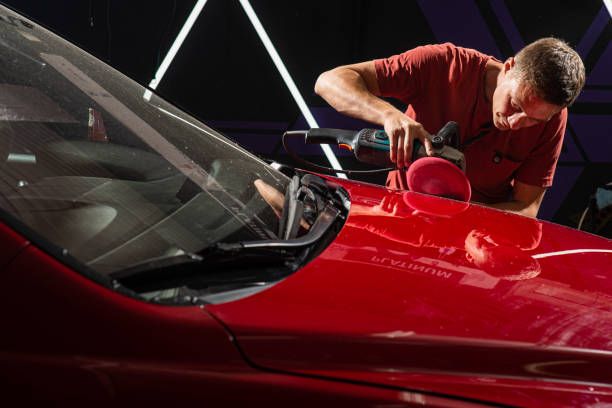
A lot of people book a detailing appointment and have basically no idea what's going to happen to their car for the next three or four hours. That's not a criticism. Detailing is one of those services where the real work is mostly invisible until you see the finished result. But not knowing the process makes it hard to judge whether the price is fair, whether the service fits your car's condition, or whether you even need it. If you've been thinking about Exterior Car Detailing in Oceanside CA and want to know what you're actually paying for, this walkthrough breaks down every stage a trained technician goes through, start to finish.
Step One: Pre-Inspection Before Anything Gets Wet
Good detailers don't just start spraying water. They walk the car first. The technician is looking for specific things: existing scratches, paint chips, oxidation on panels, water spots baked into the clearcoat, contamination on the glass, and any areas where the paint feels rough or gritty to the touch. This takes maybe ten minutes but it shapes every decision that follows.
They're also asking you questions. Does the car sit outside? Has it been through a lot of automatic washes? Any recent bodywork? Those answers tell the tech which products are appropriate and which steps need more attention. Skip this stage and you're just guessing. A proper inspection is what separates a detail from a glorified car wash.
Step Two: Decontamination (The Part Most People Don't Know Exists)
This is the foundation. Everything else depends on how clean the surface is before any correction or protection gets applied. First, the car gets a thorough rinse to knock off loose dirt. Then a foam cannon coats the whole vehicle in thick, clinging foam that lifts grit away from the paint before anything touches it physically.
After the foam sits for a few minutes, the technician hand washes the car using a two-bucket method. One bucket holds clean soapy water, the other holds rinse water. The wash mitt gets rinsed between every panel. It sounds fussy, but this is how you avoid dragging grit across the paint and creating new scratches during the cleaning stage.
Then comes the clay bar. Most car owners have never heard of it. A clay bar is a pliable block of synthetic material that gets worked across wet, lubricated paint to physically pull out bonded contaminants that washing can't touch. Think brake dust, industrial fallout, tree sap residue. You can feel the difference instantly when you run your hand over a clayed panel. Smooth like glass, instead of that faint sandpaper texture most cars have. You can read more about how paint contamination works on the clay bar Wikipedia page if you want the background.
Step Three: Surface Correction on Paint, Glass, Wheels, and Trim
Once the car is fully decontaminated, the technician starts addressing what's actually in the paint. Light swirl marks from bad wash habits, oxidation on older clearcoat, water spot etching, residue buildup around trim edges. This is where machine polishers come in. Not always, though. Sometimes a panel just needs a light hand polish. The tech makes that call panel by panel.
Wheels get their own dedicated products. Brake dust bonds to wheel surfaces differently than road grime bonds to paint, so a generic all-purpose cleaner usually isn't enough. Technicians use wheel-specific cleaners that react with iron particles and turn purple on contact. It looks dramatic. It works. Tires and wheel arches get scrubbed separately.
Glass correction is its own thing too. Windshields pick up wiper blade residue, water spot minerals, and a hazy film from off-gassing inside the cabin. A good detailer polishes the glass with a glass-specific compound before any rain repellent gets applied. Most quick-service places skip this. Worth asking about before you book anywhere.
Step Four: Protection, and Why the Type You Choose Actually Matters
Here's where wax, sealant, and ceramic coating split into three different conversations. Carnauba wax is the traditional option. It goes on by hand or machine applicator in a thin layer, hazes as it cures, then gets buffed off. Warm, deep finish. But it breaks down in a few months, especially in direct sun or rain.
Paint sealant is synthetic. It bonds a bit more firmly to the clearcoat and lasts longer, usually six months to a year. Application is similar to wax. Thin coat, cure time, buff off. It's a solid middle-ground option for daily drivers who want protection without the maintenance cycle of wax.
Ceramic coating is the long-game option. The product gets wiped onto one panel at a time, worked into the surface in cross-hatch motions, and then left to cure. It forms a semi-permanent bond with the clearcoat that can last two to five years. But it has to go on a perfectly clean, corrected surface. Any contamination underneath it gets locked in. That's why the decontamination and correction stages matter so much before coating goes down. If you're in the area, Shak's Shine Auto Spa is one local option that handles full coating installs alongside standard protection packages.
Step Five: Final Detailing and the Walk-Around
Protection applied doesn't mean done. There's a whole finishing stage. Tire dressing gets applied to give sidewalls a clean, satin look without the greasy over-spray that cheaper products leave behind. Trim gets dressed separately with a product that won't sling off onto the paint. Door jambs get wiped down. Gaps around the trunk and hood get a detail brush run through them.
Glass gets a final wipe on the inside and outside with a clean microfiber and a streak-free solution. This step alone takes longer than most people expect. Getting glass truly streak-free in direct sunlight is genuinely annoying work.
Then the technician does a walk-around. Every panel, every piece of trim, every section of glass gets checked at a low angle in good light. Any spot that doesn't meet standard gets touched up before the car goes back to you. That final check is what you're partly paying for when you book a professional instead of doing it yourself on the driveway.
For anyone comparing services, Exterior Auto Detailing in Oceanside CA varies a lot by shop, so knowing these steps helps you ask the right questions. A shop that skips clay bar treatment or rushes through correction is cutting corners that affect how long the protection lasts. Ask specifically what's included in the decontamination stage. That answer tells you a lot about how thorough the rest of the process will be. The second time you hear Exterior Auto Detailing in Oceanside CA come up in conversation, you'll actually know what it means.
Frequently Asked Questions
How long does a full professional detail usually take?
It depends on the size of the vehicle and what services are included, but most full exterior details run between two and four hours. If paint correction or ceramic coating is part of the job, you're looking at a full day or sometimes two. Don't trust a shop that promises a complete detail in under an hour.
Do I need to do anything to prepare my car before dropping it off?
Not much. Remove personal items from the interior if the detail includes any cabin work. Don't wash the car yourself right before, because the technician will be washing it anyway as part of decontamination. Just show up.
Is ceramic coating worth the extra cost over wax or sealant?
For a lot of people, yes. The upfront cost is higher, but you're not reapplying every few months. It also offers stronger resistance to UV, chemical stains, and minor abrasions. If you plan to keep the car for several years and want to protect its finish long-term, ceramic coating usually makes financial sense.
Can detailing remove deep scratches?
Paint correction handles light swirls and surface scratches that are in the clearcoat. Deep scratches that go through the clearcoat into the base coat or primer can't be polished out. Those need touch-up paint or bodywork. A technician will tell you this during the pre-inspection, which is another reason that first step matters so much.
How often should I get my car professionally detailed?
Most detailers recommend a full exterior detail once or twice a year, with maintenance washes in between. If your car sits outside year-round, or you live near the coast where salt air is a factor, leaning toward twice a year is smart. The goal is to stay ahead of oxidation and contamination buildup rather than trying to fix heavy damage later.