
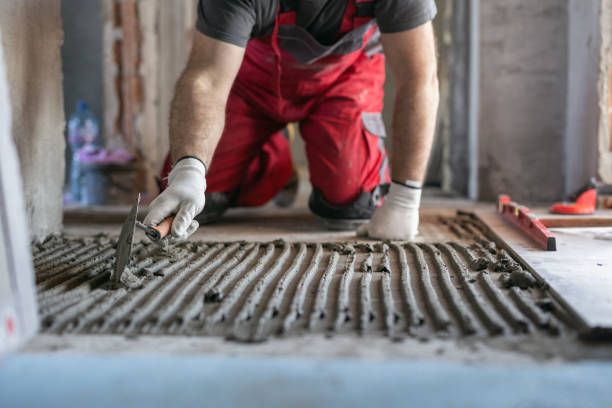
Construction sites can change in minutes, and a single missed step can cause real harm. That is why concrete construction services in Bothell WA, matter for safer building projects. Skilled concrete teams plan work before trucks, tools, and crews arrive. Therefore, each task starts with a safer setup. They manage traffic, forms, materials, and pour areas with care. Also, they help reduce slips, dust, falls, and struck-by risks. OSHA warns that silica dust can harm lungs when crews cut or grind concrete.
Meanwhile, NIOSH reports that struck-by injuries can happen when objects or equipment hit workers. So, smart planning matters from day one. With the right concrete service, a site becomes more organized, clear, and safer for everyone.
1. Better Planning Reduces Site Confusion With Concrete Construction Services in Bothell WA
Good safety starts before any concrete reaches the site. A skilled team first studies access points, ground conditions, and work zones. Then, they plan where trucks will enter and leave. As a result, workers face fewer traffic risks. Crews also mark walkways, staging areas, and equipment paths. This helps people move without guessing. In addition, planned concrete work keeps materials away from busy areas. That lowers trip hazards and clutter. For example, rebar, forms, and tools stay in set places. Therefore, workers can focus on the job instead of dodging messes. Good planning also helps schedule pours at safer times. So, teams avoid rushed work during heavy site activity. In the end, planning turns a busy jobsite into a controlled work area.
2. Clear Work Zones Keep People Safer
Concrete work needs space, movement, and timing. Therefore, clear zones protect workers and visitors. A professional crew separates pour areas from foot traffic. Also, they guide trucks, pumps, and finishers through set routes. This simple step can prevent many close calls.
Safe work zones often include:
- Marked paths for workers and site visitors
- Barriers around fresh concrete and open edges
- Signs near truck routes and pump hoses
- Set spots for tools, forms, and washout areas
In addition, trained crews keep people away from moving equipment. They also use spotters when trucks back up. Because concrete trucks have large blind spots, spotters add strong protection. With concrete construction services Bothell WA, projects can be supported by safer zone control. As a result, teams work with fewer distractions and fewer surprises.
3. Strong Formwork Helps Prevent Failures
Forms hold wet concrete until it gains strength. So, weak or poorly placed forms can create danger fast. Experienced crews inspect forms before each pour. They check bracing, ties, stakes, and support points. Then, they fix weak areas before concrete arrives. This protects workers from blowouts and sudden shifts. Also, it protects nearby structures and equipment. Proper formwork helps keep concrete where it belongs. Therefore, workers do not need to rush into unsafe areas. In addition, strong forms improve site order during the pour. Finishers, pump operators, and laborers can work with better spacing. For local projects, concrete construction in Bothell supports safer pours through strong setup practices. As a result, the project moves forward with fewer hazards and less stress.
4. Dust Control Protects Workers’ Health
Concrete cutting, grinding, and drilling can release fine silica dust. OSHA says this dust can increase the risk of silicosis, lung cancer, COPD, and kidney disease. Therefore, dust control is not optional. It is a major safety step.
Professional crews may reduce dust through:
- Wet cutting methods, when the task allows it
- Vacuum systems with proper filters
- Dust barriers near active work areas
- Respirators are required for tasks that require them
Also, crews communicate before dusty work begins. This gives nearby workers time to move or use protection. In addition, trained teams clean dust with safer methods. They avoid dry sweeping when it can spread particles. Because dust can travel through the air, control must start at the source. As a result, everyone nearby gains better protection.
5. Equipment Handling Lowers Struck-By Risks
Concrete sites often use pumps, mixers, saws, loaders, and trucks. Therefore, equipment safety matters every hour. Skilled crews inspect tools before use. They also check hoses, guards, cords, and backup alarms. Then, operators follow clear signals during movement. This reduces confusion near loud machines. NIOSH explains that struck-by injuries result from impact with objects or equipment. With concrete construction services in Bothell WA, site teams gain safer equipment flow and better daily control. So, smart equipment control helps lower those risks. In addition, concrete crews use spotters during backing and tight turns. They keep workers outside swing zones and hose paths. Also, they secure tools and materials during lifting. Because concrete work moves fast, simple checks can prevent major problems.
6. Good Surface Prep Prevents Slips And Trips
Uneven ground, wet mud, loose gravel, and scattered tools can cause falls. Therefore, surface prep does more than improve concrete quality. It also protects workers. Skilled crews grade and compact the base before forms go in. Then, they remove loose debris from walking areas. Also, they manage water so that paths do not become slick. During pours, crews watch for wet concrete at walkway edges. They clean spills before someone steps into them. In addition, they cover or mark open holes and edges. Because workers carry tools and materials, a clear footing is essential. Safe surface prep helps workers move with confidence. As a result, fewer people trip, slip, or step into unsafe spots during the project.
7. Training Builds Safer Daily Habits
Even strong plans need trained people. Therefore, good concrete crews build safety habits every day. They talk through job risks before work starts. Then, they explain equipment movement, pour timing, and emergency steps. Also, they review each task's personal protection needs. Gloves, eye protection, boots, and hearing protection all matter. Wet concrete can irritate skin and eyes. So, crews handle it with care. In addition, training helps workers speak up early. A small warning can stop a large accident. For example, a worker may spot a loose form brace. Then, the team can pause and fix it. Because safety depends on teamwork, communication makes a big difference. Better habits create safer sites, day after day.
8. Cleaner Sites Support Better Project Results
A clean site is often a safer site. Therefore, concrete crews remove waste, organize tools, and control washout areas. They also keep pathways open during busy work. This helps workers move without stepping over loose items. In addition, clean sites reduce confusion for other trades. Electricians, framers, plumbers, and inspectors can work more safely around concrete areas. Good cleanup also protects storm drains and nearby soil. Concrete washout requires proper handling, as slurry can harm the environment. So, responsible crews use set disposal areas. Also, they remove trip hazards before leaving each day. As a result, the whole project feels more controlled. Safer cleanup also builds trust among property owners, builders, and crews.
Conclusion: Safer Concrete Work Builds Better Sites
Site safety improves when concrete work gets planned, marked, checked, and cleaned with care. Therefore, professional concrete service adds value beyond strong slabs and smooth pours. It helps reduce dust risks, struck-by hazards, slips, trips, and formwork problems. Also, trained crews keep communication clear during busy moments on the site. That matters because concrete work involves heavy materials and fast timing. When each step follows a plan, workers can focus better. In addition, property owners gain more confidence in the project. Safe sites often run with fewer delays and fewer costly fixes. For local building needs, AMK Construction can support safer concrete projects with practical planning, careful crews, and dependable site habits.