
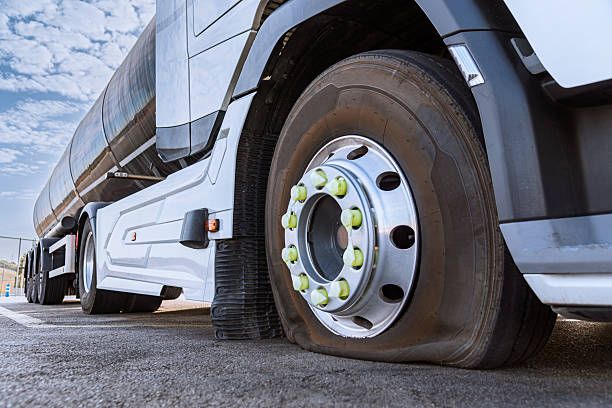
When your truck burns more fuel, it can feel like money leaks from the tank. Yet many drivers miss one big cause: tire wear. Worn tires change how your truck meets the road. As a result, the engine must work harder. Uneven tire wear can quietly increase fuel consumption, even when routes remain the same. For those using commercial truck tire services in Memphis TN, this becomes a daily concern. Higher fuel costs and slower delivery times can add up fast. It can also increase the risk of blowouts and downtime. The positive side is simple—once you understand how wear develops, you can catch it early and take action to protect both your budget and your schedule.
1) Tire Wear Increases Rolling Resistance: Commercial Truck Tire in Memphis TN
Tire wear does more than change looks. It changes how the tire rolls. As the tread wears unevenly, the tire drags more. Therefore, your engine needs more power to keep speed. That extra power needs more fuel. In commercial truck tire work, stop-and-go traffic makes this worse. Each start takes more energy when tires resist rolling. Also, rough roads can speed up wear, which adds even more drag.
Here are quick signs of higher rolling resistance:
- Your truck feels “heavier” on starts.
- You need more throttle on gentle hills.
- Your fuel log shows a slow weekly drop.
Because of this, catching wear early can protect both mileage and schedules.
2) Low Pressure And Wear Work As A Bad Team
Low tire pressure often comes first. Then wear follows fast. When air runs low, the tire bends more. So heat builds up, and the tread scrubs the road. That scrub wastes energy. Then fuel mileage drops. A veteran fleet tech once told us, “Air is the cheapest fuel saver you will ever buy.” That line sticks because it is true in daily driving. Also, low pressure can hide in plain sight. A tire can look fine, yet still run low.
To stay ahead, follow a simple routine:
- Check pressure when tires are cool.
- Use the same gauge each time.
- Record readings to spot slow leaks.
Then your tires roll more easily, and your fuel stays in your tank.
3) Uneven Tread Steals Miles And Adds Hidden Cost
Uneven tread can come from many causes. For example, bad alignment can scrub one edge. Also, worn shocks can let tires bounce—that bouncing wastes energy, like a ball that never settles. Even small, uneven spots can hurt efficiency. Why? The tire meets the road approximately. Then the truck fights tiny slips each second. Over the long haul, those slips add up.
Below is a simple example table. It shows how small changes can lead to more fuel use over time.
So, when you see uneven wear, treat it like a warning light.
4) Heat From Worn Tires Makes The Engine Work Harder
Heat matters because heat means wasted energy. When tires wear, they can run hotter. Then the rubber gets softer and flexes more. Therefore, rolling resistance rises again. It becomes a cycle: wear creates heat, and heat speeds wear.
Small wear patterns that raise heat:
- Feathering
Feathering feels like sharp edges on the tread. It often points to alignment issues.
- Cupping
Cupping looks like small dips. It can signal weak shocks or balance problems.
A safety trainer once said, “Heat is the silent killer of tires.” That warning helps drivers stay alert. So, pay attention to heat signs. For instance, notice a hot smell after a stop. Also, watch for fast pressure loss. When you act early, you protect both fuel and safety.
5) City Routes vs Highway Routes Change Wear And Mileage
Your route shapes your tire wear. City driving uses more turning and braking. So the tread wears in patches. Highway driving wears tread more evenly, but long heat cycles still matter. Therefore, you should match checks to the route you run. If you run Memphis loops with tight turns, you may see faster shoulder wear. On the other hand, steady highway runs may show slow, even wear that still lowers grip over time.
Local drivers often talk about Memphis commercial truck tire needs, and that shared knowledge can be valuable. Road surfaces differ by zone, which affects wear over time. That’s why a route-based habit works best. Inspect more frequently on city routes to protect mileage and reduce downtime risk.
6) Smart Habits That Protect Tread And Save Fuel
You can’t control every road, but you can control habits. Smooth driving reduces scrub. Also, steady speed reduces heat. Therefore, your tires last longer and roll more easily.
Try these actions on every shift:
- Accelerate smoothly instead of hard starts.
- Brake early, then brake gently.
- Avoid curbs and sharp, fast turns.
- Keep loads balanced when possible.
In addition, plan tire checks like you plan fuel stops. Many fleets pair inspections with commercial truck tire services in Memphis visits, but you can still do quick checks daily. Even a 60-second walk-around can catch a nail, a bulge, or a low tire before it drains mileage.
7) A Simple Inspection Plan That Keeps Your Mileage Steady
A good plan feels easy, not stressful. First, set a weekly tread check. Use a simple gauge and write the numbers down. Then compare left to right. If the numbers differ a lot, investigate. Also, look for cuts and stones stuck in grooves.
Next, watch for these early warnings:
- Steering pulls to one side.
- Vibration starts at certain speeds.
- The truck needs more fuel on the same route.
Finally, schedule rotation and alignment when patterns appear. That step often stops waste before it grows. If you operate commercial truck tire in Memphis TN, this routine can save you fuel and reduce road risk. And if you want your fleet to run calmer and leaner, Tire Installation LLC will keep sharing simple, real-world tips that help you win more miles each week.