
Most people doing their skincare routines at night genuinely wonder if they're getting results or just going through the motions. A good cleanser, a sheet mask, maybe a scrub on Sundays. It feels productive. But then you see someone post about their monthly esthetician appointment and you start second-guessing everything. Is the professional version actually that different, or is it mostly the same stuff in a fancier room? Honestly, the answer depends a lot on what your skin actually needs. If you're in the Denver metro area and you've been weighing this, getting a Facial Treatment in Greenwood Village CO from a trained professional is a genuinely different experience from what most people can pull off at home. Not always better in every single way. But different in ways that matter.
What Actually Happens in Each Setting
At home, a facial usually means cleansing, some kind of exfoliant (a scrub, a toner with acids, or a peel pad), a mask, and moisturizer. That's a solid routine. It keeps skin looking fresh and hydrated between appointments. The products you're using are real and they do work, but they're formulated for unsupervised use, which means the active concentrations are kept lower than what a professional can legally apply.
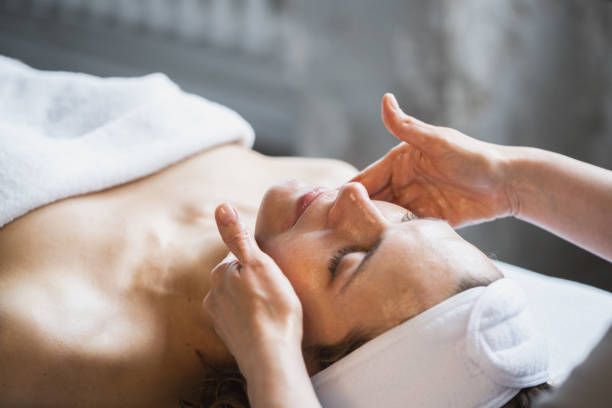
A professional session is a different thing. Your esthetician does a skin analysis first, under magnification. They're looking at your pores, checking for congestion, spotting dehydration versus oiliness, noting any active breakouts or sensitivity. Then they build the treatment around what they actually see. That part alone is something you simply can't replicate on yourself at home, no matter how good your bathroom lighting is.
Equipment matters too. Professional steamers, high-frequency wands, galvanic current devices, and professional-grade chemical peels aren't things you can safely use without training. Some of these tools exist in consumer versions, but the settings are limited and the results reflect that.
Where DIY Actually Holds Up
Let's be fair. At-home skincare does plenty of things well. Daily cleansing, SPF, basic hydration, and gentle exfoliation a couple of times a week are all things you can handle yourself without any professional help. These steps make up the foundation of any good skin routine. Skipping them between professional appointments would honestly undo a lot of the work.
Sheet masks, hydrating serums, and lightweight chemical exfoliants like low-percentage lactic acid are well within the range of what most people can use safely at home. You don't need a license to moisturize. And for people whose skin is pretty stable and not dealing with active acne, texture issues, or pigmentation, a solid at-home routine might feel like enough most of the time.
Budget matters too. Not everyone can book a professional facial every month. Knowing which steps you can do yourself well means you can space out professional appointments without losing ground.
Where DIY Consistently Falls Short
Extractions. Full stop. This is the one area where most people do real damage trying to handle it themselves. Squeezing incorrectly pushes bacteria deeper into the skin, causes scarring, and can turn a minor clogged pore into a full breakout. Professional estheticians use specific tools, the right softening techniques, and real training to do this safely. It's not the same as popping something in the bathroom mirror.
Advanced exfoliation is another gap. Over-the-counter peel pads and acid toners are helpful at low concentrations, but they don't get close to what a professional chemical peel can do. Chemical peels at professional strength can address pigmentation, fine lines, and congestion in ways that consumer products can't match, and they require someone who knows how to neutralize, time, and manage the treatment safely.
Reading the skin is the other big one. An esthetician can spot signs of dehydration that look like oiliness, identify early rosacea, or flag something that should be checked by a dermatologist. Most people look at their face and see surface stuff. A trained eye sees patterns.
The Real Risks of Getting It Wrong at Home
Over-exfoliation is probably the most common mistake. People feel like more is better and end up stripping their skin barrier, which causes redness, sensitivity, and breakouts that look like the exact problem they were trying to fix. Two or three times a week with a gentle acid is usually plenty. Daily use of strong exfoliants is a fast track to damaged skin.
Wrong acids for your skin type is another issue that comes up a lot. Glycolic acid is great for some people and irritating for others. Salicylic acid works well for oily and acne-prone skin but can be too drying if your skin's already tight. Without knowing your actual skin type, you're guessing. Sometimes the guess is right. Sometimes it sets you back two months.
And then there's the tool problem. Microneedling rollers, at-home extraction tools, strong LED devices. Some of these are fine when used correctly. But "correctly" usually means less often, with cleaner technique, and with a better understanding of your skin than most people have. All About Skin Inc. is one example of a place where you'd get that professional assessment before anything gets applied to your face, which is exactly how it should work.
How to Decide What Your Skin Actually Needs
Think about your skin goals. If you're mostly maintaining, your at-home routine is probably doing the job. But if you've got stubborn texture, persistent breakouts, hyperpigmentation, or you just feel like your skin is stuck, that's when a professional session makes a real difference. Not as a one-time fix. As a starting point for a plan.
Frequency matters a lot here. Most estheticians recommend a professional facial every four to six weeks, which lines up with your skin's natural cell turnover cycle. That doesn't mean you have to go that often. Even once a season can give your skin a real reset, especially when combined with a smart at-home routine in between.
If you're ready to actually see what's going on with your skin, deciding to Book a Facial in Greenwood Village CO is a reasonable next step. You'll come out with a clearer picture of what your skin needs, which makes everything you do at home more effective too. And if you've been thinking about it for a while, a Facial Treatment in Greenwood Village CO is probably worth trying at least once before you write it off as unnecessary.
You can also just Book a Facial in Greenwood Village CO as a one-time experiment. Go once, see how your skin responds, and decide from there. That's a pretty low-risk way to figure out if professional sessions belong in your routine.
Frequently Asked Questions
How often should I get a professional facial if I already have a solid at-home routine?
Every four to six weeks is the standard recommendation, since that matches your skin's natural turnover cycle. But honestly, even once every two or three months can make a noticeable difference. It depends on your skin concerns and your budget.
Can at-home peel pads replace a professional chemical peel?
Not really. Consumer peel pads use much lower acid concentrations than professional peels. They're good for maintenance and gentle exfoliation, but they won't address deeper pigmentation or texture the way a professional-grade peel can. Think of them as different tools, not the same tool at different strengths.
Is it ever a bad idea to do extractions at home?
Pretty much always, yes. Even if you're careful, you're working without the right tools, without softened pores from steam, and without training on the correct pressure and angle. The risk of scarring and spreading bacteria is real. This one's better left to a professional.
What skin types benefit most from professional facials?
Anyone dealing with acne, congestion, uneven tone, or visible texture tends to see the biggest difference. But even people with relatively calm skin benefit from the analysis and the deeper level of exfoliation a professional can safely do. It's not just for problem skin.
How do I know if a product I'm using at home is too strong for my skin?
Redness, tightness, flaking, and increased sensitivity after use are the main signs. If your skin feels worse after a product, not just during it, that's your skin telling you something. Backing off the frequency or switching to a gentler version usually helps. When in doubt, a professional skin analysis will give you a clearer answer than trial and error.