
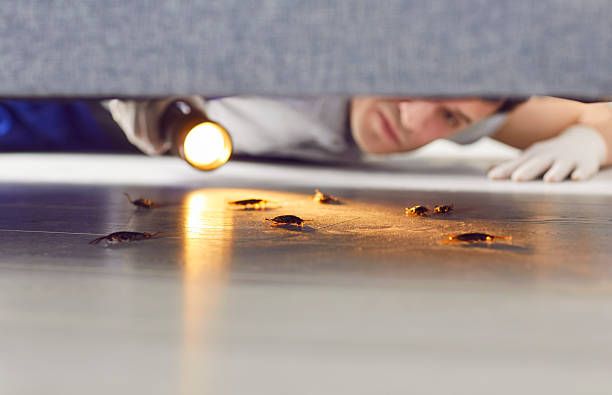
You spotted one cockroach in the kitchen and told yourself it was probably just a stray. Maybe you sprayed some stuff from the hardware store and figured that was the end of it. Honestly, that's most people's first move. But cockroaches don't travel alone, and that one you saw is almost never the whole story. If you're dealing with any of the signs below, the infestation is likely bigger than you think, and it's probably time to stop guessing and get real help. For residents in the area, finding the Best Cockroach Removal Services in Cambridge ON could be the difference between a quick fix and a months-long battle you keep losing.
1. You're Seeing Cockroaches During the Day
Cockroaches are nocturnal. Full stop. They hide during daylight hours and only come out at night to feed. So if you're spotting them in broad daylight, that's a bad sign. It means the population has gotten so large and the nesting areas so overcrowded that the weaker roaches are being pushed out into the open just to survive. One daytime sighting might be a fluke. Two or three? That's a colony under serious population pressure, and it's not going to shrink on its own.
Most people don't realize how fast cockroaches reproduce. A single female German cockroach can produce hundreds of offspring in her lifetime, and each new generation reaches breeding age in a matter of weeks. By the time you're seeing them in the afternoon, the numbers behind your walls are already well past what a can of spray can touch.
2. You've Found Droppings, Egg Casings, or Shed Skins
Pull out your refrigerator. Check the inside of your kitchen cabinets. Look along the baseboards in your bathroom. If you find small dark specks that look like ground pepper or coffee grounds, those are cockroach droppings. Not a maybe. That's physical evidence of an active colony feeding and moving through your space regularly.
Egg casings, called oothecae, are another clear giveaway. They're small, brown, and pill-shaped, and a single casing can hold anywhere from 16 to 50 eggs depending on the species. Shed skins, left behind as nymphs grow, also pile up near nesting areas. Finding any of these things, especially in more than one spot, tells you the infestation has been going on for a while and is actively multiplying.
3. There's a Smell You Can't Quite Place
Cockroaches produce pheromones. It's how they communicate with each other, and in large numbers, those pheromones create a distinct musty, oily smell that most people describe as stale or slightly sweet in a gross way. If you've noticed an odd odor in your kitchen or bathroom that doesn't go away no matter how much you clean, that smell might be your answer. It's one of the more overlooked signs, but it's reliable.
The smell tends to concentrate near nesting areas, so if it's stronger in one particular cabinet or under the sink, that's likely where a major cluster is hiding. A faint smell could mean dozens of roaches. A strong, persistent one usually means hundreds.
4. You're Seeing Smear Marks, Greasy Streaks, or Damaged Packaging
Cockroaches leave greasy brown smear marks along the surfaces they travel regularly, especially near water pipes, along baseboards, and around entry points. These streaks come from the oils and bacteria on their bodies. Look for them low on walls and around any gap or crack near plumbing. If you're finding these marks in multiple rooms, the infestation has spread well beyond a single nest.
Damaged food packaging is another thing to watch for. Cockroaches chew through cardboard and thin plastic to get to food. Finding gnaw marks or small holes in pantry items, cereal boxes, or paper bags is a pretty direct sign they've set up shop near your food storage. That's also a health problem, not just a pest problem.
According to Wikipedia's overview of cockroach biology, these insects are known to carry dozens of different bacteria and pathogens on their bodies, which they transfer to any surface they walk across.
5. Your Health Is Starting to Be Affected
This one catches people off guard. Cockroach allergens, shed from their bodies and droppings, build up in the air over time. For people with asthma or allergies, this is genuinely dangerous. Studies have connected heavy cockroach infestations to worsening asthma symptoms in children especially. If someone in your household has been dealing with unexplained respiratory issues or skin irritation, and you've also noticed any of the other signs on this list, it's worth taking seriously.
Food contamination is a real risk too. Cockroaches walk across food prep surfaces at night, leaving behind bacteria like Salmonella and E. coli. You can't see it, but it's there. Getting Cockroach Removal Services in Cambridge ON isn't just about the gross factor. It's a health decision.
6. DIY Products Keep Failing
You've tried the sprays. Maybe the bait traps too. They seemed to work for a day or two, then the roaches came back. Sound familiar? That pattern is actually one of the clearest signs that the colony is too established for over-the-counter products to handle. Store-bought sprays kill on contact but don't reach nesting sites inside walls, under flooring, or deep inside appliances. Bait traps can help with small populations, but a large colony simply routes around them.
If you're doing everything right and still losing ground, it's not a technique problem. It's a scale problem. Pestxterminators and similar professional services use products and methods that aren't available to the general public, including treatments that penetrate nesting areas and break the reproductive cycle instead of just thinning the visible population. That's the kind of approach that actually ends an infestation rather than managing it indefinitely.
Ongoing and repeated Cockroach Removal Services in Cambridge ON typically include follow-up visits to make sure the colony doesn't rebound, which is something a single can of spray can never offer.
7. You've Found Cockroaches in Multiple Rooms
One cockroach in one room might be a scout. Cockroaches in the bathroom, the bedroom, and the kitchen? That's a spread-out infestation. Roaches expand their territory as their numbers grow, moving from the original nest outward in search of food and water. Finding them in spaces that aren't near food sources is a sign the colony is large enough to be pushing individuals into less ideal territory.
Before you call anyone, do a quick walk-through of your home. Note where you've seen live roaches, where you've found droppings or casings, and whether there are any smells concentrated in specific spots. That information will help an exterminator assess the situation faster and give you a more accurate treatment plan. The more specific you can be, the better the outcome. And finding the Best Cockroach Removal Services in Cambridge ON means looking for a company that actually wants that information upfront rather than just booking a spray and leaving.
Frequently Asked Questions
How do I know if I have one cockroach or a full infestation?
One cockroach in your home almost always means there are more hiding somewhere nearby. If you're also finding droppings, smear marks, or a musty smell, you've got an active colony. A single roach is rarely alone.
Are cockroaches dangerous to my family's health?
Yes, pretty seriously. They carry bacteria that contaminate food and surfaces, and their shed skin and droppings build up allergens that can trigger asthma and allergic reactions, especially in kids. It's not just an annoyance.
Can I get rid of cockroaches myself?
For a very small, early-stage problem, DIY products can sometimes work. But if the infestation has been going on for more than a few weeks, or if you're seeing multiple signs from this list, over-the-counter products usually aren't enough. The colony is likely too established.
How long does professional cockroach treatment take to work?
Most professional treatments start showing results within a few days, but it can take two to four weeks to fully clear a large infestation. Follow-up visits are usually part of the plan to make sure the colony doesn't come back.
What should I do before an exterminator arrives?
Clean up as much as you can, especially in the kitchen. Store food in sealed containers. Note where you've seen cockroaches and any evidence like droppings or egg casings. The more information you bring to the appointment, the more targeted and effective the treatment will be.
If you're checking off more than two or three of these signs, don't wait and hope the problem sorts itself out. It won't. These things get worse, not better, and the longer you wait, the harder and more expensive it gets to fix.