
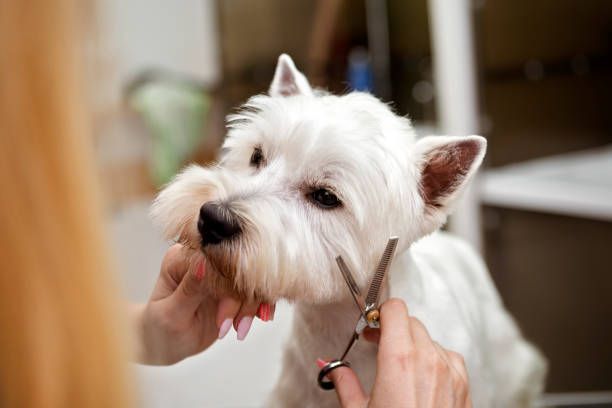
Most dog owners don't set out to neglect their pet's coat. Life gets busy, the dog seems fine, and before you know it, you're noticing something's off but can't quite pin down whether it's serious or just one of those things. Here's the honest answer: dogs give you signals all the time. You just have to know what to look for. If your pup is scratching more than usual, smelling a little funky, or walking strangely on hard floors, it's probably time to book a Dog Grooming in Hollywood appointment before things get worse. Catching these signs early saves your dog real discomfort and saves you a much bigger grooming bill down the road.
1. Mats and Tangles Are Starting to Form
Mats don't appear overnight. They start as small, tight tangles, usually behind the ears, under the collar, or in the armpit area where skin rubs against skin. Most owners only notice them once they've become hard, dense clumps that pull at the skin with every movement. By that point, the mat is painful to brush out, and in bad cases, a groomer has to shave underneath it entirely.
Different coats mat at different speeds. Long-haired breeds like Shih Tzus and Maltese can develop serious matting within a few weeks of missing a session. Double-coated dogs like Golden Retrievers tend to mat in their undercoat, so you won't even see the problem forming until you dig your fingers in. Run your hands through your dog's coat. If your fingers snag and you feel resistance near the skin, don't wait.
Trying to brush out a tight mat at home usually makes it worse. The skin underneath gets pulled, and if the mat is close enough to the surface, it traps moisture and heat, which can lead to skin irritation fast. A professional groomer has the right tools to handle it safely, and in some cases, the kindest option really is to start fresh with a shave-down.
2. Nails Are Clicking on the Floor
That clicking sound when your dog walks across tile or hardwood? That's a sign the nails are too long. It sounds minor. It isn't. Overgrown nails force a dog to shift weight backward onto their paw pads, which changes their gait over time and puts stress on joints, especially in older dogs.
In really overgrown cases, nails start to curve. You'll see them bending sideways or, in worst-case situations, curling back toward the paw pad. That's when they can actually grow into the skin, which is painful and can lead to infection. Most dogs need nail trims every four to six weeks depending on how much they walk on rough surfaces like pavement.
Some dogs also have dewclaws, the small nail higher up on the inner leg, that never touch the ground and never wear down naturally. Those are easy to forget about and often the first to curl. Check them specifically. A lot of owners don't even know their dog has them until a groomer points it out.
3. The Coat Smells Off or Feels Greasy
Every dog has a natural odor. That's just a fact. But there's a difference between normal dog smell and the kind of persistent, sour, or musty odor that doesn't go away after a bath. If your dog smells bad again within a day or two of being washed, something is building up in the coat that a regular rinse at home won't fully clear.
Dogs produce natural skin oils, and those oils trap dirt, debris, and dead skin cells over time. In dogs with thicker or longer coats, that buildup sits close to the skin and gets worse with every week that passes without a proper wash and blow-dry. A greasy feel along the back or sides of the coat is a good indicator that it's time for a thorough professional clean. You can read more about how skin and coat health connects to overall dog wellness on the Wikipedia overview of dog grooming practices.
The solution isn't just more frequent home baths. In fact, bathing too often with the wrong shampoo can strip healthy oils and make the skin produce even more oil to compensate. A groomer uses the right products for your dog's specific coat type and finishes with a proper dry, which removes dead undercoat that traps smell at the skin level.
4. Your Dog Won't Stop Scratching
Scratching has a lot of causes, allergies, fleas, dry skin, and yes, an overdue grooming session. When a coat goes too long without being brushed and washed, dead skin cells, environmental debris, and trapped moisture build up underneath. That creates the perfect conditions for itching and hot spots.
Hot spots are patches of inflamed, infected skin that dogs create by licking and scratching at one area repeatedly. They show up fast, sometimes within 24 hours, and they spread quickly if left alone. Matted fur that holds moisture against the skin is one of the most common triggers. If you're already seeing your dog chew at their flank or scratch at their ears more than usual, it's worth getting them in for a proper groom before a hot spot develops.
If you're in the LA area and looking for a convenient option, Dog Fountain Mobile Grooming is one service people use for this kind of work, particularly when their dog gets anxious in unfamiliar salon environments. Mobile grooming can reduce stress for dogs that get worked up around other animals. And a calmer dog makes the whole process easier on everyone.
5. Eye and Ear Area Is Getting Crusty or Overgrown
Hair growing over a dog's eyes isn't just a visibility problem. It traps discharge, holds moisture, and can cause eye irritation if strands poke directly at the surface. Small breeds like Bichons, Poodles, and Dachshunds are especially prone to tear staining and the kind of crust buildup that forms in the corners of the eyes when hair isn't kept trimmed and clean.
Ears are a separate issue but just as important. Dogs with floppy ears or heavy ear hair, like Cocker Spaniels and Labradoodles, have poor airflow into the ear canal. When that hair gets overgrown and traps wax and moisture, the risk of ear infections goes up noticeably. A groomer will clean the visible outer ear and trim hair around it, which makes a real difference in prevention.
A good Dog Grooming in Hollywood appointment covers all of this, not just the coat. Face, ears, nails, paw pads, and sanitary areas all get attention. That's why a full groom from a professional is so different from a quick rinse at home. And if you've been relying on a Dog Grooming Service in Hollywood Los Angeles for a while, you've probably already seen how much better your dog feels and acts in the days after a proper session.
How Often Should You Actually Book a Groomer?
Honestly, it depends on the breed. Short-haired dogs like Beagles or Boxers can usually go eight to twelve weeks between full grooms, though nail trims should happen more often. Long-haired and curly-coated breeds often need a session every four to six weeks to stay ahead of matting. If you're not sure where your dog falls, ask your groomer at your next visit and they'll give you a realistic schedule based on what they see.
The other thing worth knowing is that regular grooming is far less stressful for your dog than occasional emergency grooms. A dog that goes every six weeks gets used to the process. A dog that only goes when things have gotten bad often has a rough experience, and so does the groomer. Consistency is genuinely kinder to your pet. Finding a reliable Dog Grooming Service in Hollywood Los Angeles that you trust makes it a lot easier to stick to a regular schedule.
Frequently Asked Questions
How do I know if my dog's mats are too bad to brush out at home?
If the mat sits tight against the skin and you can't slide a comb underneath it without the skin pulling, stop trying to brush it out. You'll cause pain and potentially break the skin. At that point, a groomer is the right call, and they may recommend shaving the area rather than detangling.
Can overgrown nails permanently hurt my dog?
They can, yes. Long nails shift how a dog distributes weight across their paws, and over months, that puts strain on joints and can affect posture. In severe cases, nails curve into the paw pad and cause infection. Regular trims prevent all of that.
Why does my dog smell bad again so quickly after a bath?
Usually it's because the undercoat wasn't fully dried out, or because there's a buildup of oils and dead skin that a home bath doesn't fully reach. A professional groom with a high-velocity dryer and proper shampoo removes far more buildup than a shower at home does. Some persistent smells also point to ear issues or anal gland buildup, which a groomer or vet can address.
Is it okay to take a dog with hot spots to the groomer?
It depends on how bad they are. Mild hot spots can often be treated during a groom, since the groomer will clip the hair around the area to let it breathe and dry out. More serious or infected hot spots usually need a vet visit first. When in doubt, call ahead and describe what you're seeing.
What's the difference between a full groom and a bath-only appointment?
A bath-only appointment covers washing, drying, and sometimes a brush-out. A full groom adds a haircut or trim, nail clipping, ear cleaning, and attention to the face and sanitary areas. Most dogs with medium or long coats really need the full service to stay comfortable and healthy between visits.