
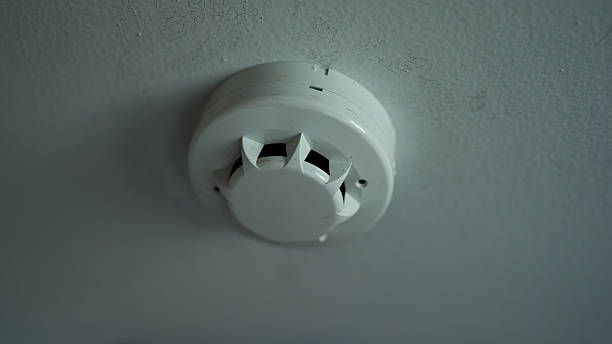
Most building owners don't think about fire alarm monitoring until something goes wrong. Maybe the alarm went off at 2am and nobody called. Maybe an inspector left a notice on the door. Either way, by the time you notice the gap, the risk has already been sitting there for a while. If you manage a commercial building, a multi-unit property, or any occupied space in the Bay Area, it's worth taking a hard look at your current setup. Getting proper Fire Alarm Monitoring in San Francisco CA isn't just a box to check. It's the difference between a fire being caught at 3am and a complete loss.
Here are five signs your building is overdue for a real monitoring solution.
1. Nobody Gets Called When Your Alarm Goes Off
This one sounds obvious, but it catches a lot of people off guard. Your alarm might be fully functional, making noise, flashing lights, the whole thing. But if there's no central station connection behind it, that noise is just noise. Nobody at a monitoring center is seeing the alert. Nobody is calling the fire department. The building sits there until a neighbor notices or someone happens to drive by.
That's the whole problem with unmonitored systems. They react locally but don't communicate anywhere. Most fires do serious damage in the first few minutes, so a system that waits for a human to notice and call 911 manually is already behind. After-hours incidents, especially in commercial buildings, are almost always unwitnessed. Without a central station connection, you're counting on luck.
2. You've Failed a Fire Inspection or Received a Violation Notice
Fire inspections in San Francisco aren't optional, and the San Francisco Fire Department takes monitoring compliance seriously. If an inspector has flagged your property for missing monitoring documentation, a lapsed monitoring contract, or a system that isn't connected to an approved central station, that's not a minor administrative issue. It's a code violation. And it won't go away on its own.
A lot of building managers assume they can fix this slowly. They can't. Unresolved fire code violations can result in fines, occupancy restrictions, or forced shutdowns depending on the severity. The NFPA 72 National Fire Alarm and Signaling Code sets the baseline requirements for monitored systems, and local jurisdictions like San Francisco often layer additional rules on top of that. If you've already received a notice, the clock is ticking.
Getting current with Fire Alarm Monitoring Services in San Francisco CA means getting documentation your inspector can actually verify. That usually means a UL-listed central station and a proper monitoring certificate on file.
3. Your Alarm Has Triggered With No Follow-Up
False alarms happen. Dust, steam, cooking smoke, a contractor bumping a detector. That's normal. But here's what should also happen: when your alarm triggers, someone should be contacting you or dispatching help within minutes. If your alarm has gone off and you've heard nothing, no call, no text, no dispatch confirmation, that silence is a sign.
It means there's no monitoring loop in place. A properly monitored system creates a chain of events the moment the alarm activates. The central station gets the signal, verifies it, and either contacts you or sends emergency services based on your response plan. Without that chain, false alarms go completely unaddressed, and real ones do too. One building manager I spoke with didn't realize her system was unmonitored until the third time her alarm triggered overnight and nobody called. Three times. That's a long time to go without knowing.
4. Your Building Use Has Changed
This is the sign that sneaks up on people the most. You bought a building as a single-use commercial space. Then you added a tenant. Then another. Maybe you converted part of it to residential, or expanded into an adjacent unit. Each of those changes can push your property into a different occupancy category, one that carries stricter fire safety requirements.
San Francisco has specific thresholds based on occupancy type, square footage, and the number of people regularly in a building. Mixed-use buildings, buildings with overnight occupants, and properties above certain size cutoffs are almost always required to have monitored fire alarm systems. If your building has grown or changed in any way since you last reviewed your fire safety compliance, it's worth checking whether your current setup still meets code. CA FIRE ALARM INC is one company that handles this kind of compliance review alongside installation and monitoring, which can save you a separate consultation fee.
Fire Alarm Monitoring Services in San Francisco CA should be re-evaluated any time the building's use changes, not just when something goes wrong.
5. Your Insurance Provider Has Flagged a Monitoring Gap
Insurance companies pay close attention to fire risk. They look at your building's systems during underwriting, and if your fire alarm isn't connected to a UL-listed central station, some carriers will flag that as a coverage gap. Others will just charge you more. Either way, it affects your bottom line.
Some property owners have discovered this the hard way, after a claim. If a fire occurs and the investigation shows your system wasn't monitored, an insurer may dispute coverage or reduce the payout based on your policy terms. That's a painful and avoidable situation. Getting proper monitoring in place, with documentation showing UL listing and an active central station connection, gives you something concrete to hand your insurance broker. It can actually lower your premium in some cases, which offsets part of the monitoring cost.
Fire Alarm Monitoring in San Francisco CA, when done correctly, isn't just a safety measure. It's also a financial one.
Frequently Asked Questions
What is central station monitoring and why does it matter?
Central station monitoring means your fire alarm system is connected to a staffed facility that receives alerts the moment your alarm activates. They can verify the situation and dispatch emergency services right away, even if nobody is in the building. Without it, your alarm is essentially local-only.
How do I know if my current system is monitored?
Check with whoever installed your system. If you can't find documentation, look for a monitoring certificate or a phone line connection tied to your alarm panel. You can also call your local fire department's prevention bureau, they can usually tell you what's on file for your address.
Does every commercial building in San Francisco need fire alarm monitoring?
Not every single one, but most do. Requirements depend on occupancy type, building size, and use. Buildings with multiple tenants, overnight occupants, or certain square footage thresholds are typically required to have monitored systems. A licensed fire alarm contractor can review your specific situation.
How quickly can a monitoring service be set up?
It depends on whether your existing system is compatible with central station connection. Some buildings just need a communication module added and a monitoring contract set up, which can happen in a day or two. Others need panel upgrades first. A site assessment gives you the clearest answer.
Will monitored fire alarms reduce my insurance premium?
Often, yes. Many commercial property insurers offer discounts for UL-listed central station monitoring because it reduces the risk of a total loss. The exact discount varies by carrier and policy, so it's worth asking your broker directly once you have monitoring documentation in hand.
If any of these five signs sounds familiar, don't wait for an inspection notice or a claim denial to push you into action. The fix is usually more straightforward than people expect, and the cost of getting monitored is a lot smaller than the cost of finding out the hard way that you weren't.