
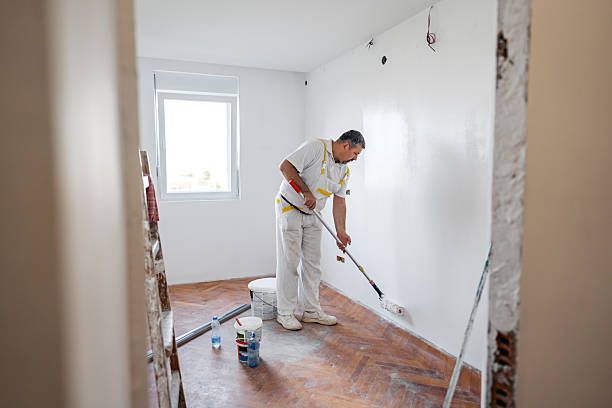
Building a new home is one of the biggest financial moves most people ever make. And yet, first-timers walk into it thinking the hard part is just picking a floor plan. It's not. The real pain shows up later, in budget overruns, schedule blowouts, and features you wish you'd added when the walls were still open. I've seen people lose tens of thousands of dollars to mistakes that were completely avoidable with a little more planning upfront. If you're exploring New Home Construction Services in Columbus OH, this list is worth reading before you sign anything.
Mistake 1: Treating the Budget Like a Fixed Number
Builders give you a base price. Sounds simple. But that number almost never reflects what your finished home will actually cost, because of something called allowances. An allowance is basically a placeholder, a set dollar amount the builder budgets for things like flooring, fixtures, or cabinetry. The problem? Those allowances are often set low on purpose, or just optimistically, and most buyers blow past them fast once they start picking real materials.
So you go in thinking you're spending $380,000, and by the time you've chosen the tile, the countertops, and the light fixtures you actually want, you're at $420,000. That gap stings. Go through every allowance line by line before you sign the contract, and ask your builder what real products those numbers actually buy. If the answer is "builder-grade basics," budget more. A thorough pre-construction budget review isn't optional. It's the thing that saves you from a nasty surprise at the six-month mark.
Mistake 2: Picking a Builder Based on Price Alone
The lowest bid is tempting. Really tempting. But price is honestly one of the least useful ways to compare builders, especially when you don't yet know what you're comparing. A builder who comes in $15,000 cheaper might be cutting corners on subcontractors, using thinner warranties, or simply planning to make it up later through change order markups.
What actually matters is how they communicate. Do they return calls? Do they give you a real point of contact, or do you end up playing phone tag with whoever answers? Ask to see their warranty terms in writing and find out how long they've worked with their key subs. High turnover in subcontractors is a red flag. You want a team that's built things together before, not a crew assembled from whoever was available that week.
Talking to past clients is the single best research move you can make. Ask them honestly: were there surprises, and how did the builder handle them? New Home Construction in Columbus OH is a competitive market, and plenty of builders are good. But some are not. The vetting process is worth the extra time.
Mistake 3: Making Changes After Framing Starts
This one catches people off guard every time. The house is framed, the walls are going up, and suddenly you're standing inside the space realizing the master bedroom feels smaller than you imagined. So you ask about moving a wall. No big deal, right? Wrong.
Change orders after framing begins can cost three to five times what the same change would've cost in the design phase. You're not just paying for labor and materials. You're paying for rescheduled trades, wasted materials already ordered, potential permit amendments, and the ripple effect on every subcontractor who had a scheduled start date that just shifted. One seemingly small change can push your move-in date back by weeks and add thousands to your invoice.
The fix is pretty straightforward. Spend more time in the design phase than feels necessary. Walk the lot with your plans. Use a floor plan app to tape out rooms in your current home. Do whatever it takes to make real decisions before construction starts, because once it does, changes are expensive by definition. According to the Consumer Financial Protection Bureau's homebuying guidance, unexpected cost increases mid-project are one of the most common reasons buyers end up financially stretched at closing.
Mistake 4: Not Planning for What You'll Need in Five Years
People build for right now. Two kids, one home office, done. But life shifts. Parents age. Kids come back from college. You start working from home full time and realize you need a second office. These things are cheap to plan for during framing and genuinely expensive to retrofit later.
A few things worth thinking about now. Adding a conduit for EV charging in the garage costs almost nothing during construction, maybe a few hundred dollars. Doing it after the fact means cutting drywall, running new wire, and paying an electrician for a half-day job that could run $1,500 or more. Same goes for blocking in bathroom walls for future grab bars, roughing in plumbing for a basement bathroom, or adding a bedroom on the main floor for accessibility. If you're working with Civitello Construction Services, have that conversation early about what you might want five or ten years from now. A good builder will flag these opportunities before the walls close up.
Electrical capacity is another one people overlook. The standard panel size that comes with most builds is fine for today's load. But if you're planning a home gym, a hot tub, or a whole-home generator down the road, upsizing the panel now is a fraction of what it'll cost later. Think ahead. It's one of the few places in construction where a small investment pays off reliably.
Mistake 5: Skipping Independent Inspections
Builders have their own inspectors. Those inspectors work for the builder. That's not a conspiracy, it's just how it works, and it means their interests aren't perfectly aligned with yours. Getting an independent inspector in for a pre-drywall walkthrough is one of the smartest things you can do, full stop.
Pre-drywall is the window. Once those walls are closed, anything behind them stays hidden until it becomes a problem, sometimes years later. An independent set of eyes can catch framing issues, improperly installed windows, missing insulation, or rough electrical problems while there's still time to fix them cheaply. The same goes for a final walkthrough before you close. Don't skip it, and don't do it alone. Bring someone who knows what to look for.
New Home Construction in Columbus OH comes with its own set of local codes and inspection requirements, but municipal inspectors aren't doing the deep-dive quality check you need. They're checking for code compliance. You need someone checking for your interests. That's a different job, and it's worth the few hundred dollars it costs to hire one.
Frequently Asked Questions
How far in advance should I review my construction budget?
Before you sign the contract. Not after. Go through every allowance line with your builder and price out real options so you know what the true number looks like before you're committed.
What questions should I ask a builder before hiring them?
Ask about their warranty terms, who their main subcontractors are and how long they've worked together, and how they handle communication during the build. Then ask for two or three past client references and actually call them.
Are change orders always avoidable?
Honestly, no. Some things come up during construction that nobody could've predicted. But the changes that cost the most are almost always the ones buyers bring on themselves by not finalizing decisions during design. Minimize those, and you'll be in good shape.
What's the most overlooked future-proofing item in a new build?
Probably electrical capacity. Most people don't think about it until they want to add something and find out the panel's already maxed out. It's a cheap fix during construction and a genuinely painful one afterward.
Do I really need a private inspector if the city already inspects the build?
Yes. City inspectors check for code compliance, which is not the same as checking for quality or catching every issue that could affect you. A private inspector works for you and looks at things from your perspective. It's a small cost with a real return.
Building a home doesn't have to be a stressful, regret-filled experience. Most of the costly mistakes people make come down to rushing decisions, skipping due diligence, or assuming someone else is watching out for them. Slow down in the planning phase, ask hard questions, and treat the process like the major investment it actually is. That's the approach that tends to end with a house you're genuinely happy to live in.